
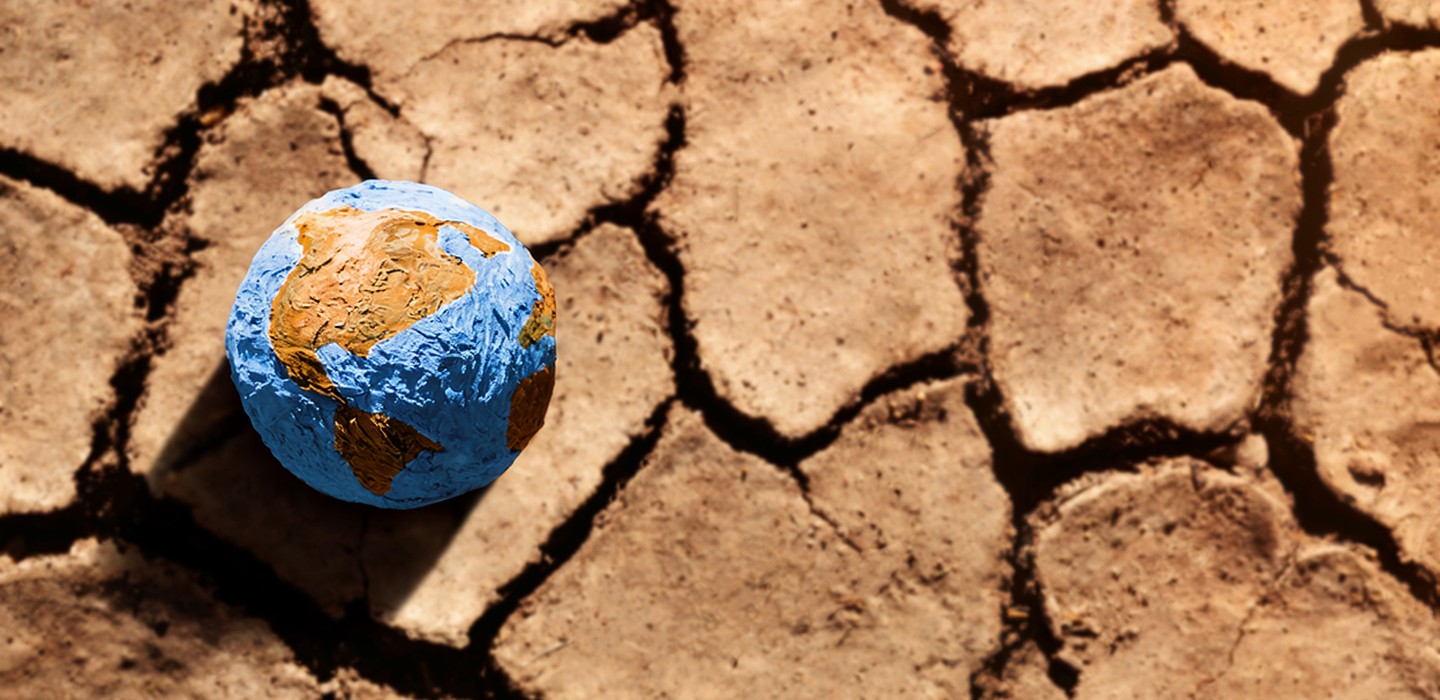
Climate change is the defining crisis of our time, driven by human activities that alter the Earth’s atmosphere and threaten life as we know it.
This week’s UNFCCC COP31 summit in Turkey represents a critical turning point where global leaders must transition from high-level climate rhetoric to concrete local implementation. Addressing this global emergency is not just an environmental obligation; it is an urgent necessity for the survival of humanity and the future of vulnerable nations like South Africa.
The primary driver of climate change is the greenhouse effect, accelerated by human industry. The accumulation of greenhouse gases traps heat, disrupting global climate systems. Global warming triggers more frequent and severe heatwaves, intense droughts, wildfires, and catastrophic flooding. Melting glaciers and ice sheets cause sea levels to rise, threatening coastal cities and causing erosion. Ecosystems are collapsing as species fail to adapt to rapidly changing temperatures, threatening food security and clean water supplies.
Tackling climate change requires an aggressive, coordinated global transition. Society must rapidly transition from fossil fuels to renewable energy sources like solar, wind, and green hydrogen. We must improve efficiency across industries, buildings, and transportation networks lowers overall demand. Nations must halt deforestation, restore degraded ecosystems, and adopt sustainable agricultural practices. Finally, we must develop resilient infrastructure, early-warning systems, and drought-resistant crops helps communities survive unavoidable impacts.
For South Africa, climate change is an immediate socioeconomic threat. The country is warming at twice the global average rate, leaving it highly vulnerable to severe water scarcity and agricultural decline. Disasters like the historic Cape Town drought and the deadly KwaZulu-Natal floods demonstrate the high human and financial toll of inaction. Furthermore, South Africa’s heavy reliance on coal for electricity means it faces immense pressure to execute a Just Energy Transition—shifting to green energy while protecting the livelihoods of workers in the fossil fuel sector.
For humanity, the stakes are existential. Climate change ignores borders. Unchecked warming will lead to mass displacements, widespread famine, conflicts over diminishing resources, and severe economic instability.
Protecting the planet is ultimately about protecting ourselves. By taking decisive action, humanity can safeguard public health, create millions of green jobs, and ensure a liveable, equitable world for future generations.
As the world faces accelerating extreme weather, this week’s negotiations serve as a global mechanism to limit temperature overshoot. COP31 emphasises a cross-regional Action Agenda focused on clean energy transitions, food security, zero waste, and resilient health systems. For developing nations like South Africa, the core theme of this summit is an urgent demand for a Just Transition Mechanism backed by robust international climate finance.
The Spirit Foundation’s Commitment to Action
Tackling anthropogenic global warming requires more than public policy; it demands civic, corporate, and philanthropic mobilisation. Under its foundational motto “Just Do Good,” the Spirit Foundation supports collective efforts to combat climate change. The Foundation recognises that the escalating climate crisis threatens the very pillars of its philanthropic mission.
By aligning corporate responsibility with grassroots philanthropy, the Spirit Foundation advocates for actionable, science-based interventions to reduce global emissions and build long-term climate resilience.